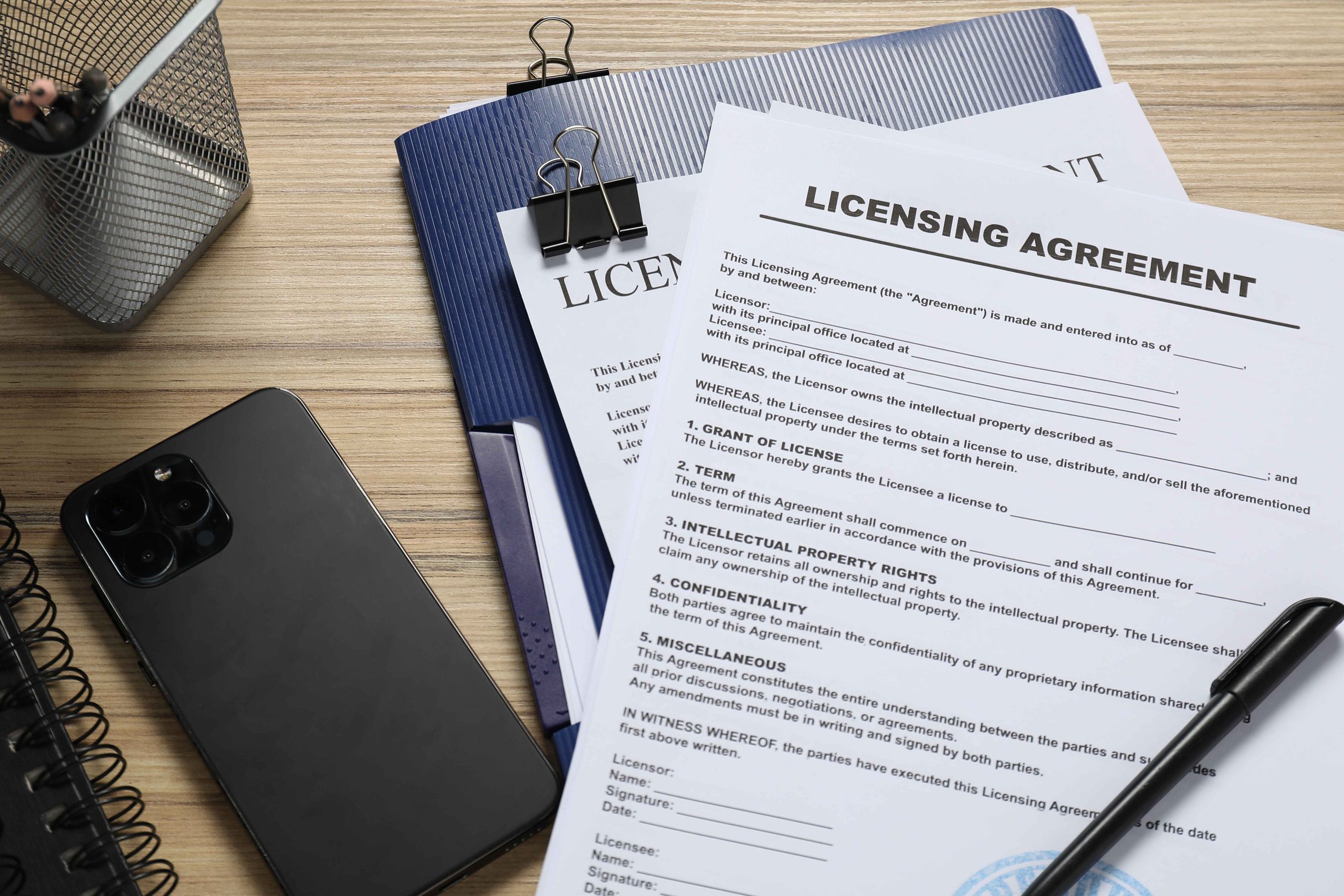


Maintaining accurate hiring records is a core responsibility of clinic HR teams. In healthcare settings, documentation is not just administrative—it is a legal safeguard, a compliance requirement, and a key part of workforce management. Proper records help clinics stay audit-ready, reduce legal risks, and ensure every hiring decision is transparent and traceable.
When hiring records are organized and complete, HR operations become smoother, faster, and more reliable.
Why Hiring Records Matter in Clinics
Well-maintained hiring records help clinics:
- Meet legal and regulatory requirements
- Support audit and inspection readiness
- Track employee qualifications and history
- Reduce hiring disputes and compliance risks
- Improve HR decision-making
In healthcare, missing or incomplete records can lead to serious consequences.
1. Candidate Application Records
Every applicant’s initial information should be stored properly.
Include:
- Job application forms
- Resume/CV
- Cover letters (if submitted)
- Interview notes
Why it matters:
Creates a clear hiring history for each candidate.
2. Interview Documentation
All interview stages should be recorded consistently.
Include:
- Interview questions used
- Candidate responses or summaries
- Interviewer evaluations
- Scoring sheets (if structured interviews are used)
Why it matters:
Ensures fairness and transparency in hiring decisions.
3. Credential and License Verification
Healthcare hiring requires strict validation.
Maintain:
- Copies of professional licenses
- Certification documents
- Verification confirmations
- Expiry date tracking records
Why it matters:
Protects clinics from compliance and legal risks.
4. Background Check Records
Background screening is essential in healthcare.
Include:
- Criminal background check results
- Employment history verification
- Reference check summaries
Why it matters:
Ensures patient safety and organizational security.
5. Offer and Employment Documentation
Once a candidate is selected, records must be formalized.
Include:
- Job offer letter
- Signed employment contract
- Salary and benefits agreement
- Start date confirmation
Why it matters:
Defines legal employment terms clearly.
6. Onboarding Records
Onboarding documentation confirms compliance training.
Include:
- Employee handbook acknowledgment
- HIPAA training completion
- Safety and compliance training records
- Job role orientation forms
Why it matters:
Ensures regulatory readiness from day one.
7. Certification and Training Records
Ongoing employee development must be tracked.
Include:
- Training completion certificates
- Continuing education records
- Skill development programs
- Compliance training updates
Why it matters:
Keeps staff qualified and up to date.
8. Employee Performance Records
Performance tracking is part of long-term HR management.
Include:
- Performance evaluations
- Supervisor feedback
- Improvement plans (if any)
- Promotion or role change records
Why it matters:
Supports fair career progression and accountability.
9. Payroll and Employment Status Records
Accurate employment classification is critical.
Include:
- Payroll setup forms
- Employment status (full-time, part-time, contract)
- Tax and legal documentation
- Benefits enrollment records
Why it matters:
Prevents payroll errors and legal issues.
10. Compliance and Audit Records
Clinics must be prepared for inspections.
Maintain:
- HR policy acknowledgments
- Regulatory compliance documentation
- Audit reports and responses
Why it matters:
Ensures readiness for external review.
11. Employee Exit Records
Offboarding must also be documented.
Include:
- Resignation or termination letter
- Exit interview notes
- Final payroll records
- Equipment return confirmation
Why it matters:
Protects data security and legal compliance.
12. Digital vs Paper Record Systems
Modern clinics are shifting to digital HR systems.
Digital benefits:
- Easy access and searchability
- Secure data storage
- Automated reminders (licenses, renewals)
- Reduced paperwork errors
Why it matters:
Improves efficiency and reduces risk of lost documents.
Common Mistakes in Record Management
1. Incomplete Documentation
Missing files create compliance risks.
2. Poor Organization
Makes audits and retrieval difficult.
3. Not Updating Records Regularly
Leads to outdated information.
4. Lack of Security Controls
Risks exposure of sensitive employee data.
5. No Standard Filing System
Creates inconsistency across HR staff.
Best Practices for Clinics
1. Standardize HR Documentation
Use consistent templates for all records.
2. Digitize Records Where Possible
Use HR software or secure cloud systems.
3. Regularly Audit Files
Check for missing or outdated documents.
4. Assign Record Ownership
Ensure accountability within HR teams.
5. Maintain Confidentiality
Restrict access to sensitive information.
Benefits of Proper Hiring Records
When clinics maintain accurate hiring records, they achieve:
1. Strong Legal Compliance
Reduced risk during audits or inspections.
2. Better HR Efficiency
Faster access to employee information.
3. Improved Hiring Transparency
Clear documentation of decisions.
4. Enhanced Data Security
Protection of sensitive employee data.
5. Smooth Operational Management
Organized records support better decision-making.
Conclusion
Maintaining hiring records properly is essential for clinic HR teams to ensure compliance, transparency, and operational efficiency. Every stage of the hiring process—from application to exit—must be documented accurately and stored securely.
Ultimately, strong record-keeping practices protect the clinic legally, improve HR performance, and support long-term workforce stability in healthcare environments.