
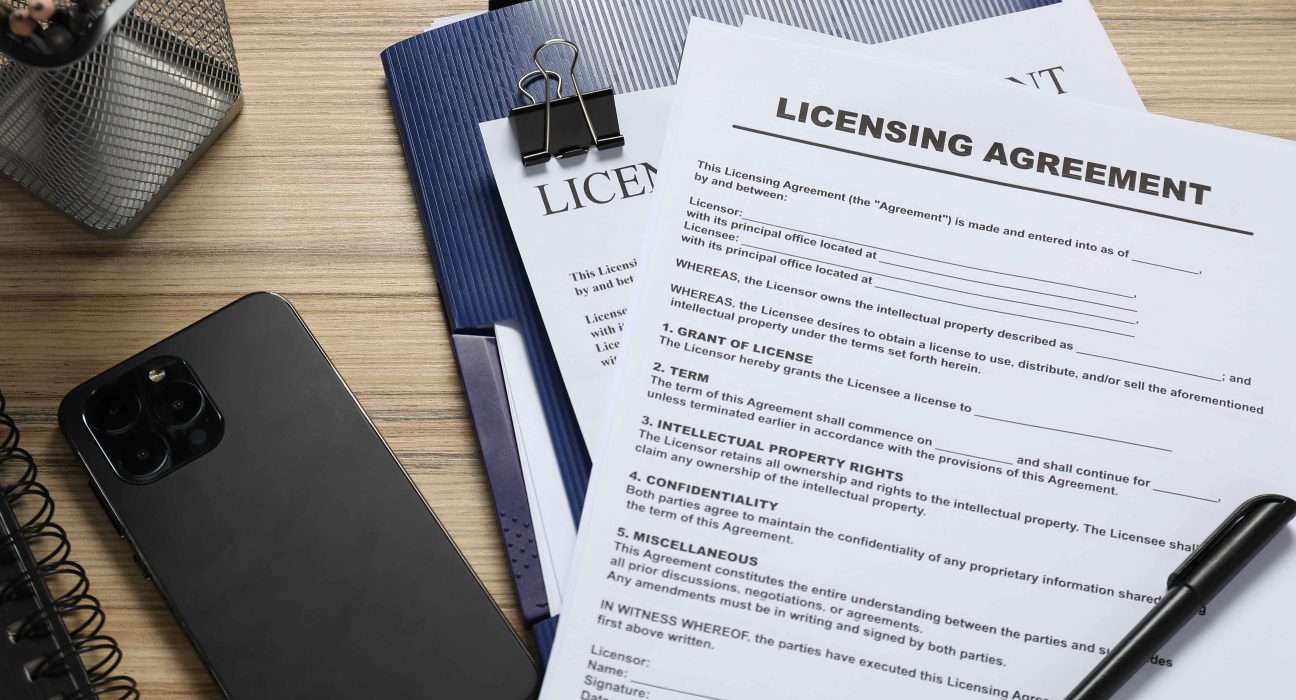
Verifying professional licenses during hiring is one of the most critical steps in healthcare recruitment. It ensures that every clinical employee is legally authorized, properly qualified, and safe to work with patients. In medical clinics, skipping or rushing this step can lead to serious legal, financial, and patient safety risks.
License verification is not just a formality—it is a legal safeguard.
Why License Verification Is Essential
Proper verification helps clinics:
- Confirm legal eligibility to practice
- Ensure patient safety and care quality
- Avoid hiring unqualified candidates
- Meet regulatory and accreditation standards
- Reduce malpractice and liability risks
In healthcare, an unverified license can directly impact patient outcomes.
1. Confirm License Authenticity
The first step is ensuring the license is real.
Check:
- Issuing authority (state or national board)
- License number validity
- Official registration records
Why it matters:
Prevents fraud or fake documentation.
2. Check License Status
Not all active-looking licenses are valid for practice.
Verify:
- Active status (not expired or suspended)
- Any disciplinary actions
- Restrictions on scope of practice
Why it matters:
Ensures the employee is legally allowed to work.
3. Verify Expiration Dates
Licenses must be current at the time of hiring.
Ensure:
- Expiration date is valid
- Renewal is completed if needed
- Tracking system is in place for future renewals
Why it matters:
Expired licenses can lead to immediate compliance violations.
4. Match License to Job Role
The license must align with the position.
Examples:
- RN license for registered nurse roles
- LPN license for practical nursing duties
- CMA certification for medical assistants
Why it matters:
Mismatch can lead to legal and operational issues.
5. Use Official Verification Sources
Never rely only on documents provided by candidates.
Use:
- State licensing board websites
- National verification databases
- Professional regulatory bodies
Why it matters:
Ensures independent and accurate verification.
6. Document Verification Results
Proper records are essential for compliance.
Maintain:
- Date of verification
- Source used for confirmation
- License status at time of hiring
- HR verification notes
Why it matters:
Provides legal proof during audits or disputes.
7. Recheck During Employment
Verification is not a one-time task.
Best practice:
- Periodic license re-checks
- Monitoring renewal deadlines
- Updating HR records regularly
Why it matters:
Prevents working with expired credentials.
8. Verify Across Multiple Jurisdictions (If Applicable)
Some professionals work across states or regions.
Ensure:
- Licenses are valid in your clinic’s location
- Multi-state licensing compliance is confirmed
- Temporary permits are valid (if applicable)
Why it matters:
Different regions have different legal requirements.
9. Cross-Check for Disciplinary Actions
A valid license does not always mean a clean record.
Check for:
- Disciplinary history
- Suspensions or warnings
- Restrictions on practice
Why it matters:
Protects patient safety and clinic reputation.
10. Integrate Verification into Hiring Workflow
License checks should be standard practice.
Include:
- Verification before final job offer
- HR checklist for every candidate
- Mandatory approval step before onboarding
Why it matters:
Prevents accidental hiring of unqualified staff.
Common License Verification Mistakes
1. Accepting Copies Without Verification
Increases risk of fraud.
2. Not Checking Expiry Dates
Leads to compliance violations.
3. Ignoring Disciplinary History
Can expose patients and clinic to risk.
4. Delaying Verification Until After Hiring
Creates legal exposure.
5. Using Unofficial Sources
Results in inaccurate validation.
Best Practices for Clinics
1. Always Verify Before Hiring
Never finalize employment without confirmation.
2. Use Official Databases
Rely only on regulatory sources.
3. Maintain Centralized Records
Store all verification data securely.
4. Automate Tracking Systems
Use HR software for alerts and renewals.
5. Train HR Teams Regularly
Ensure awareness of verification procedures.
Benefits of Proper License Verification
When clinics verify licenses correctly, they achieve:
1. Legal Protection
Reduced risk of hiring violations.
2. Improved Patient Safety
Only qualified professionals provide care.
3. Regulatory Compliance
Meets healthcare standards and audit requirements.
4. Stronger Hiring Decisions
More accurate candidate evaluation.
5. Enhanced Clinic Reputation
Patients trust properly vetted professionals.
Conclusion
Verifying licenses during hiring is a fundamental step in building a safe and compliant healthcare workforce. It ensures that every employee is legally authorized, properly qualified, and suitable for their role.
Ultimately, strong license verification practices protect patients, reduce legal risks, and strengthen the overall integrity of the clinic.