
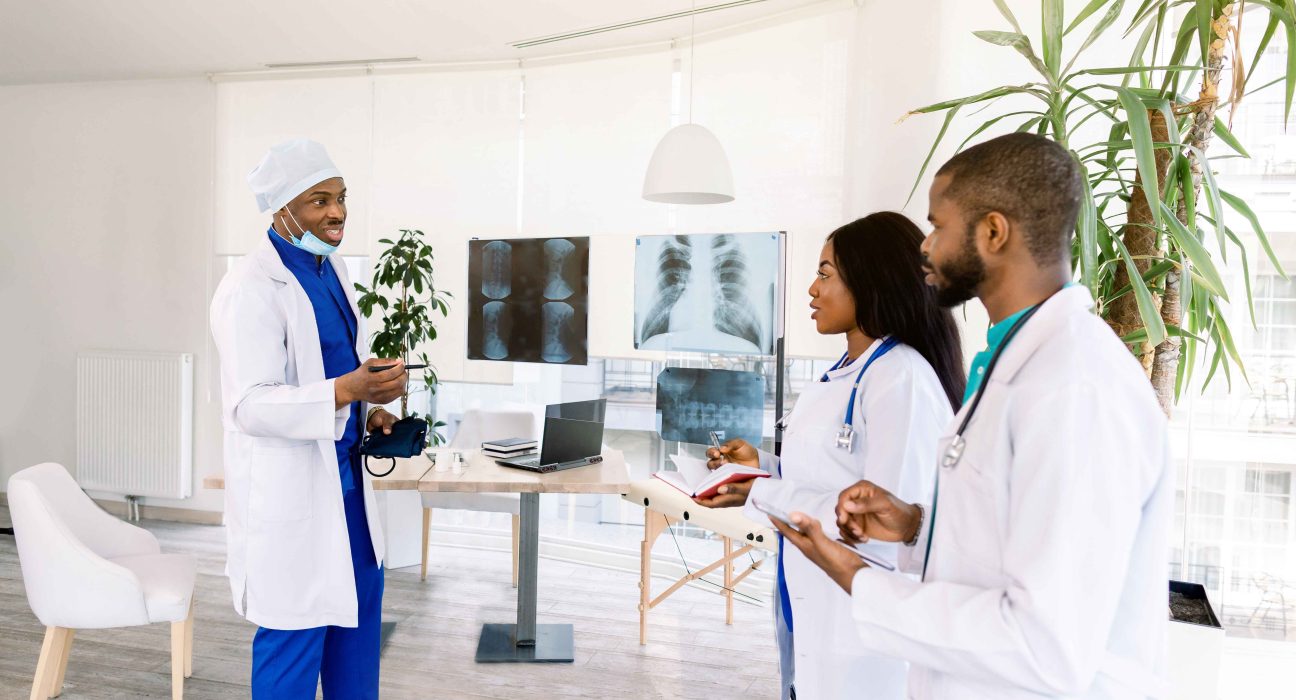
Upskilling in healthcare means continuously improving knowledge, clinical skills, and administrative capabilities to stay competitive and effective in a clinic environment. As medical practices evolve with new technologies, updated protocols, and changing patient needs, staff who actively upskill are more likely to advance in their careers and contribute more effectively to their teams.
For clinics, encouraging upskilling is not just professional development—it is a strategy for better performance, retention, and patient care quality.
Why Upskilling Matters in Clinics
Upskilling helps both employees and clinics by:
- Improving job performance and efficiency
- Increasing promotion and career opportunities
- Enhancing patient care quality
- Reducing clinical and administrative errors
- Strengthening workforce adaptability
Healthcare is constantly changing, and skills must evolve with it.
1. Staying Updated with Medical Practices
Medical guidelines and protocols frequently change.
Focus areas:
- Updated treatment procedures
- Infection control standards
- New healthcare regulations
- Evidence-based practices
Why it matters:
Outdated knowledge can affect patient safety and compliance.
2. Learning New Technologies and Systems
Modern clinics rely heavily on digital tools.
Examples:
- Electronic Health Records (EHR) systems
- Telehealth platforms
- Scheduling and billing software
- AI-assisted tools for administration
Why it matters:
Tech-savvy staff improve efficiency and reduce errors.
3. Developing Clinical Skills
For clinical staff, skill advancement is essential.
Examples:
- Advanced patient assessment techniques
- Emergency response training
- Vital signs accuracy improvement
- Procedure-based skill development
Why it matters:
Stronger clinical skills lead to better patient outcomes.
4. Enhancing Administrative Competence
Non-clinical staff also benefit from upskilling.
Focus areas:
- Medical billing and coding
- Insurance verification processes
- Patient communication skills
- Scheduling optimization
Why it matters:
Efficient administration supports smooth clinic operations.
5. Improving Communication Skills
Strong communication is vital in healthcare environments.
Training includes:
- Patient interaction techniques
- Team coordination
- Conflict resolution
- Professional communication etiquette
Why it matters:
Clear communication reduces misunderstandings and improves care.
6. Cross-Training Across Roles
Learning multiple roles increases flexibility.
Examples:
- Medical assistants learning front desk duties
- Receptionists understanding basic patient intake
- Nurses assisting in administrative workflows
Why it matters:
Increases adaptability and career value.
7. Certification and Continuing Education
Formal learning enhances credibility.
Options:
- CPR/BLS certification
- Medical assistant certifications
- Coding and billing certifications
- Specialized clinical training programs
Why it matters:
Certifications validate skills and improve job opportunities.
8. Leadership and Career Development
Upskilling is not only for technical roles.
Focus areas:
- Team leadership skills
- Decision-making abilities
- Clinic management training
- Conflict resolution
Why it matters:
Prepares staff for supervisory and managerial roles.
9. Soft Skills Development
Soft skills are essential for workplace success.
Examples:
- Emotional intelligence
- Adaptability
- Time management
- Stress management
Why it matters:
Improves teamwork and workplace harmony.
10. Learning from Mentorship
Experienced staff play a key role in upskilling.
Benefits:
- Real-world knowledge transfer
- Faster skill development
- Practical problem-solving guidance
Why it matters:
Mentorship accelerates learning beyond formal training.
11. Participating in Workshops and Training Programs
Structured learning sessions enhance professional growth.
Examples:
- Clinical workshops
- Compliance training sessions
- Technology training programs
Why it matters:
Keeps staff aligned with industry standards.
12. Self-Learning and Initiative
Employees who take initiative grow faster.
Methods:
- Online courses
- Medical journals and updates
- Practice-based learning
- Skill-building exercises
Why it matters:
Self-driven learning shows motivation and commitment.
Common Barriers to Upskilling
1. Lack of Time
Busy schedules can limit learning opportunities.
2. Limited Training Resources
Some clinics do not invest in development programs.
3. Low Motivation
Employees may not see immediate benefits.
4. No Structured Learning Path
Without direction, progress becomes inconsistent.
How Clinics Can Support Upskilling
1. Provide Training Programs
Offer regular skill development sessions.
2. Encourage Certifications
Support staff in earning professional credentials.
3. Create Career Pathways
Show clear promotion opportunities.
4. Offer Paid Learning Time
Allow dedicated hours for training.
5. Use Mentorship Systems
Pair junior staff with experienced professionals.
Benefits of Upskilling in Clinics
When employees continuously improve their skills, clinics experience:
1. Better Patient Care
More accurate and efficient treatment support.
2. Higher Employee Retention
Staff feel valued and invested in.
3. Improved Efficiency
Skilled employees work faster and with fewer errors.
4. Stronger Career Growth
Employees advance within the organization.
5. Greater Organizational Competitiveness
Clinics stay updated with industry standards.
Conclusion
Upskilling is essential for long-term success in any clinic environment. As healthcare continues to evolve, employees who actively improve their skills remain more valuable, adaptable, and confident in their roles.
For clinics, supporting upskilling is an investment in better patient care, stronger teams, and long-term workforce stability.
Ultimately, continuous learning transforms both individual careers and the overall quality of healthcare delivery.