
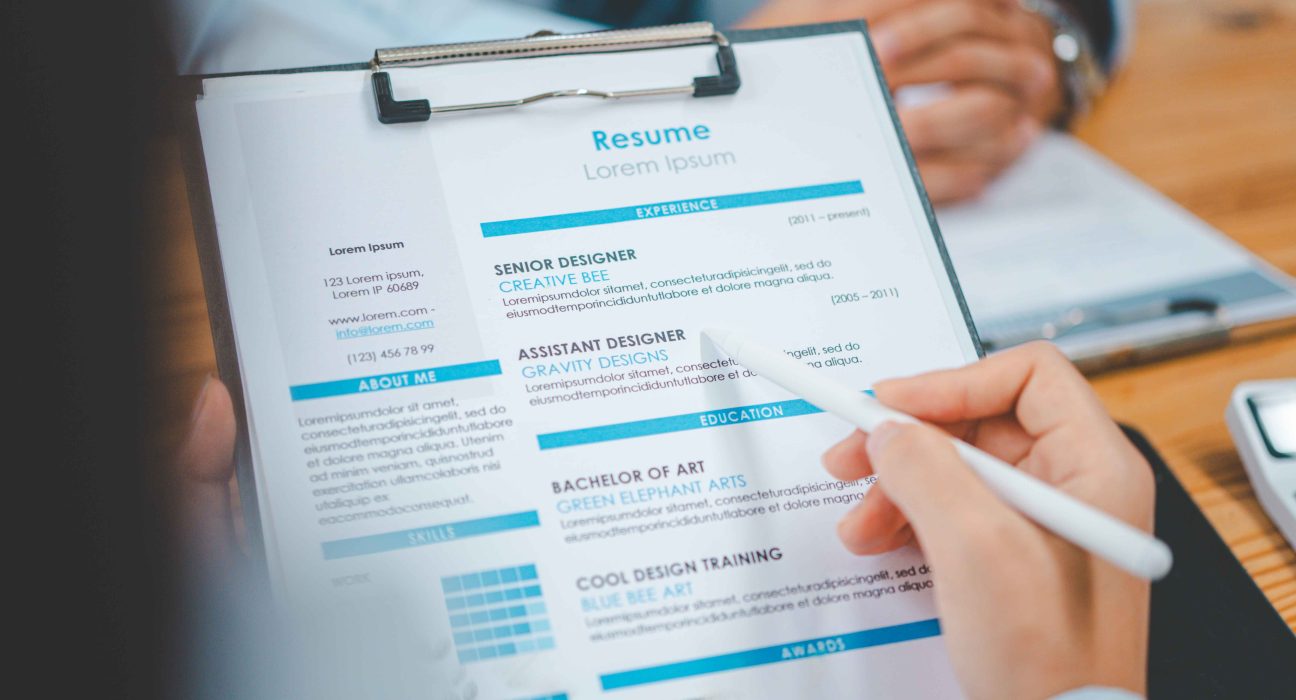
A strong resume for clinic-based roles is not just a list of jobs—it is a clear, structured presentation of your clinical skills, experience, certifications, and ability to work in a fast-paced healthcare environment. Whether you are applying for roles like medical assistant, nurse, front desk staff, or administrative support, your resume should quickly show employers that you are qualified, reliable, and patient-focused.
In healthcare hiring, recruiters often scan resumes in seconds—clarity and relevance matter more than length.
1. Keep the Format Clean and Professional
First impressions matter even on paper.
Best practices:
- Use a simple, readable layout
- Keep consistent headings and spacing
- Avoid unnecessary graphics or colors
- Use professional fonts
Why it matters:
A clean resume is easier for recruiters to review quickly.
2. Start with a Strong Professional Summary
This is your introduction.
Include:
- Your role or specialization
- Years of experience
- Key clinical or administrative strengths
- Career goal (optional)
Example:
“Experienced Medical Assistant with 3+ years in outpatient clinics, skilled in patient intake, EHR documentation, and supporting physicians in fast-paced environments.”
Why it matters:
It immediately tells employers who you are and what you offer.
3. Highlight Relevant Clinical Experience
Focus on healthcare-related roles first.
Include:
- Job title
- Clinic or hospital name
- Dates of employment
- Key responsibilities
Why it matters:
Relevant experience is the most important hiring factor in clinics.
4. Use Action-Oriented Bullet Points
Don’t just list duties—show impact.
Examples:
- Assisted physicians with patient examinations and procedures
- Managed patient scheduling and reduced wait times
- Recorded accurate patient data in EHR systems
Why it matters:
Action verbs show capability and contribution.
5. Emphasize Clinical and Technical Skills
Recruiters look for specific abilities.
Examples:
- Patient intake and vital signs
- EHR systems (Epic, Cerner, etc.)
- Medical terminology
- Infection control procedures
- Billing and insurance verification
Why it matters:
Skills help employers quickly assess job readiness.
6. Include Certifications and Licenses Clearly
Certifications are essential in healthcare resumes.
Examples:
- CPR/BLS Certification
- Certified Medical Assistant (CMA)
- Registered Nurse (RN) License
- Phlebotomy Certification
Why it matters:
Valid credentials ensure compliance and trust.
7. Highlight Soft Skills
Clinic work depends heavily on interpersonal abilities.
Important skills:
- Communication
- Teamwork
- Empathy
- Time management
- Adaptability
Why it matters:
Soft skills impact patient care and teamwork quality.
8. Tailor Your Resume for Each Role
Avoid using the same resume for every job.
Customize:
- Keywords from job description
- Relevant experience
- Specific skills required for the role
Why it matters:
Tailored resumes rank higher in ATS systems and impress recruiters.
9. Keep It Concise (1–2 Pages)
Recruiters prefer short, focused resumes.
Guidelines:
- Entry-level: 1 page
- Experienced professionals: 1–2 pages
Why it matters:
Too much information reduces clarity.
10. Include Education Clearly
Education is important, especially for clinical roles.
Include:
- Degree or diploma
- Institution name
- Graduation year
- Relevant coursework (if applicable)
Why it matters:
Confirms foundational qualifications.
11. Add Keywords for ATS Systems
Many clinics use Applicant Tracking Systems.
Include keywords like:
- Patient care
- Clinical documentation
- EHR
- Medical assisting
- Healthcare compliance
Why it matters:
Helps your resume pass automated screening.
12. Proofread for Accuracy
Mistakes can create a negative impression.
Check for:
- Spelling errors
- Incorrect dates
- Formatting issues
- Inconsistent terminology
Why it matters:
Accuracy is critical in healthcare roles.
Common Resume Mistakes to Avoid
1. Using Generic Descriptions
Makes your resume look unclear and unfocused.
2. Including Irrelevant Experience
Reduces impact of healthcare qualifications.
3. Ignoring Certifications Section
Misses critical hiring requirements.
4. Overloading with Text
Makes it hard to read quickly.
5. Not Updating Regularly
Outdated resumes reduce credibility.
Bonus Tip: Focus on Patient Impact
Whenever possible, show how your work helped patients or improved clinic operations.
Example:
- Improved patient flow by streamlining intake process
- Reduced documentation errors through careful data entry
Why it matters:
Employers value candidates who contribute to patient care quality.
Conclusion
A strong resume for clinic-based roles should be clear, targeted, and focused on healthcare-relevant skills and experience. It should quickly show employers that you are capable of working in a fast-paced clinical environment and delivering high-quality patient support.
Ultimately, a well-crafted resume increases your chances of getting interviews and helps you stand out in a competitive healthcare job market.