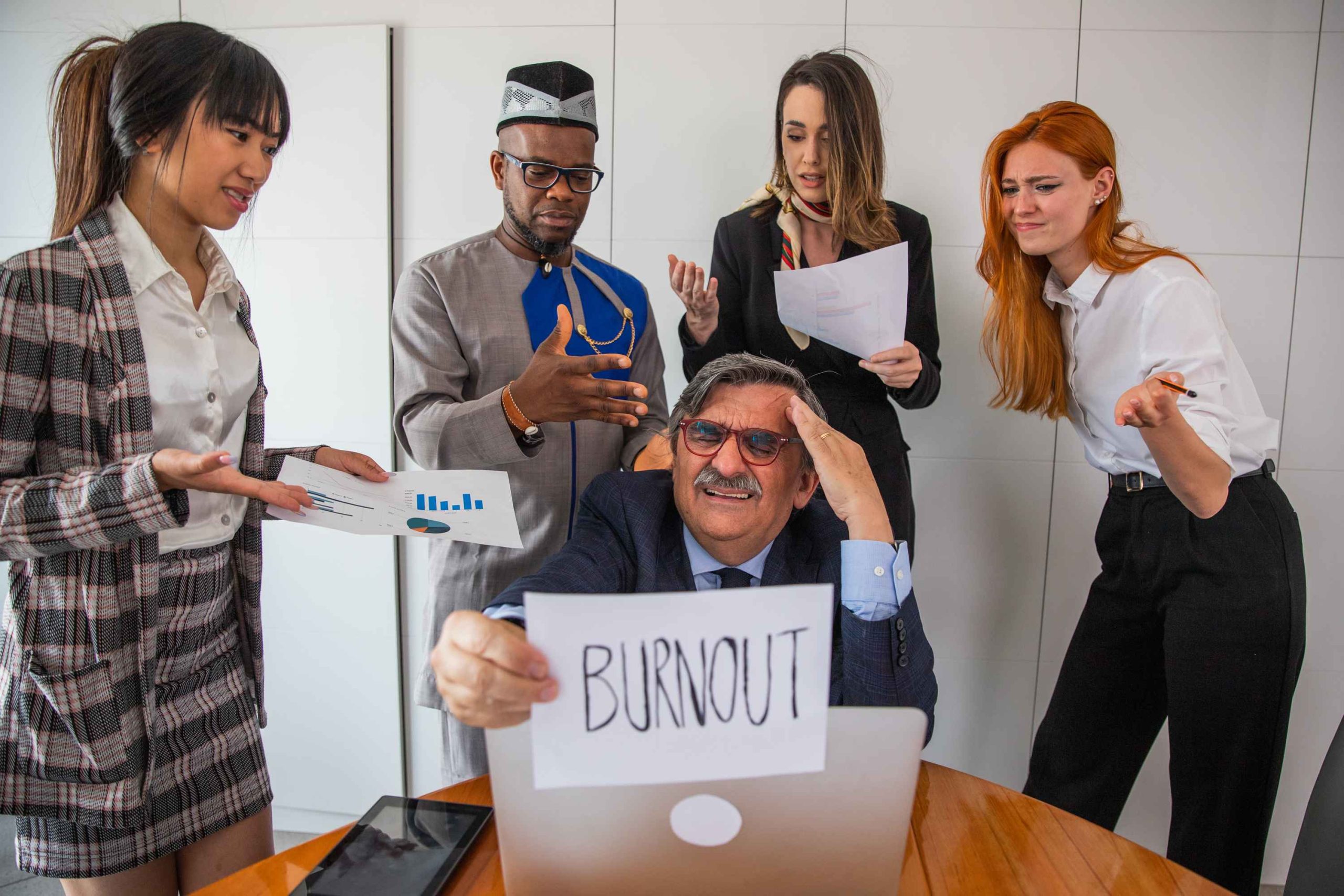


Medical clinics often face sudden staffing challenges—unexpected absences, seasonal patient surges, resignations, or short-term workload increases. These disruptions can quickly affect patient care, increase wait times, and put pressure on existing staff.
Short-term staffing solutions help clinics maintain continuity without compromising service quality. The goal is to ensure that essential roles are covered quickly and efficiently, while long-term hiring decisions are made carefully.
This blog explores practical short-term staffing strategies clinics can use to stay operational and efficient during staffing gaps.
Why Clinics Need Short-Term Staffing Solutions
Clinics operate in fast-paced environments where even one missing staff member can disrupt workflow.
Common situations include:
- Sudden employee sick leave or emergency absence
- Seasonal increase in patient volume
- Staff resignations without notice
- Training periods for new hires
- Temporary projects or system upgrades
Impact of staffing shortages:
- Longer patient wait times
- Overworked existing staff
- Reduced service quality
- Increased risk of errors
- Lower patient satisfaction
Short-term staffing ensures continuity during these critical periods.
1. Temporary Staffing Agencies
One of the most common solutions is hiring temporary staff through agencies.
How It Works:
- Clinics contact staffing agencies
- Agencies provide pre-screened healthcare professionals
- Staff are assigned for short durations (days, weeks, or months)
Roles Commonly Filled:
- Receptionists
- Medical assistants
- Nurses (licensed professionals)
- Billing and administrative staff
Benefits:
- Fast hiring process
- Pre-qualified candidates
- Flexible duration
- Reduced recruitment workload
Best For:
Immediate staffing gaps that require quick replacement.
2. On-Call or Float Staff System
Some clinics maintain a pool of on-call employees who can step in when needed.
How It Works:
- Part-time or flexible staff are kept on standby
- They are called in during absences or busy periods
- May rotate across different roles
Benefits:
- Immediate availability
- Familiarity with clinic systems
- Lower training requirements
- Cost-effective long-term solution
Best For:
Clinics with frequent but unpredictable staffing gaps.
3. Cross-Trained Internal Staff
Cross-training existing employees is one of the most efficient solutions for short-term coverage.
How It Works:
- Employees are trained in multiple roles
- Staff can temporarily shift responsibilities when needed
Example:
- Receptionist assists in billing during peak hours
- Medical assistant supports front desk operations
Benefits:
- No external hiring required
- Faster response to staffing gaps
- Better team flexibility
Best For:
Clinics aiming for long-term operational resilience.
4. Part-Time and Flexible Staffing
Hiring part-time staff provides built-in flexibility.
How It Works:
- Staff work reduced or flexible hours
- Can be scheduled during peak demand times
Benefits:
- Cost-effective staffing
- Easier scheduling during busy periods
- Reduced burnout for full-time employees
Best For:
Clinics with fluctuating daily or weekly patient volumes.
5. Contract-Based Hiring
Contract staff are hired for a fixed period or project.
How It Works:
- Staff are hired for a defined timeframe (e.g., 1–6 months)
- Contracts end automatically unless extended
Benefits:
- Clear timeline for coverage
- Specialized skill availability
- No long-term commitment required
Best For:
Temporary projects or seasonal demand increases.
6. Internal Redeployment of Staff
Clinics can temporarily shift employees between departments.
How It Works:
- Staff from less busy departments assist high-demand areas
- Roles are adjusted temporarily based on workload
Example:
- Administrative staff assisting front desk
- Nurses helping with patient intake during peak hours
Benefits:
- Immediate coverage
- No external hiring cost
- Better resource utilization
Best For:
Short-term emergencies or sudden staff shortages.
7. Use of Freelance or Per-Diem Healthcare Workers
Per-diem workers are professionals who work on an as-needed basis.
How It Works:
- Staff are hired per shift or per day
- They are called when required
Benefits:
- High flexibility
- No long-term commitments
- Useful for unpredictable schedules
Best For:
Clinics with irregular staffing needs.
8. Remote Administrative Support
Some administrative tasks can be handled remotely.
Tasks Suitable for Remote Staff:
- Appointment scheduling
- Data entry
- Billing support
- Patient follow-up calls
Benefits:
- Quick access to support staff
- Reduced on-site workload
- Cost efficiency
Best For:
Non-clinical administrative gaps.
9. Collaboration with Nearby Clinics or Networks
Clinics can form partnerships for staff sharing.
How It Works:
- Nearby clinics share staff during emergencies
- Temporary exchanges are arranged
Benefits:
- Fast access to trained professionals
- Strong community support system
- Reduced hiring pressure
Best For:
Clinics within the same healthcare network or locality.
10. Temporary Overtime and Shift Adjustments
Sometimes the fastest solution is internal scheduling adjustment.
How It Works:
- Existing staff work extra shifts temporarily
- Rotational scheduling to distribute workload
Benefits:
- Immediate coverage
- No onboarding required
- Maintains continuity
Best For:
Very short-term gaps (1–3 days).
Best Practices for Managing Short-Term Staffing
1. Maintain a Ready Talent Pool
Keep a list of pre-screened temporary workers for emergencies.
2. Standardize Onboarding for Temporary Staff
Even short-term staff should receive basic orientation.
3. Clearly Define Roles and Expectations
Avoid confusion by outlining responsibilities clearly from day one.
4. Use Simple Checklists
Provide task lists to ensure consistency in performance.
5. Monitor Performance Closely
Supervise temporary staff to maintain quality standards.
Common Challenges in Short-Term Staffing
1. Limited Familiarity with Systems
Temporary staff may need quick training.
2. Inconsistent Service Quality
Variation in experience levels can affect performance.
3. Communication Gaps
New staff may take time to adjust to team workflows.
4. Scheduling Complexity
Coordinating short-term staff can be time-consuming.
Benefits of Effective Short-Term Staffing Solutions
When properly implemented, clinics experience:
1. Continuous Patient Care
No interruption in services despite staff shortages.
2. Reduced Pressure on Existing Staff
Prevents burnout and overwork.
3. Operational Stability
Smooth workflow during unexpected disruptions.
4. Faster Response to Demand Changes
Clinics can scale up or down quickly.
5. Improved Patient Satisfaction
Shorter wait times and consistent service quality.
Final Thoughts
Short-term staffing solutions are essential for maintaining stability in busy medical clinics. Whether through temporary staff, cross-training, or flexible scheduling, the goal is to ensure uninterrupted patient care and smooth operations.
The most effective clinics combine multiple strategies—building internal flexibility while also maintaining access to external support. With the right system in place, staffing challenges become manageable instead of disruptive.
Ultimately, short-term staffing is not just about filling gaps—it’s about protecting patient care, supporting teams, and keeping the clinic running efficiently at all times.