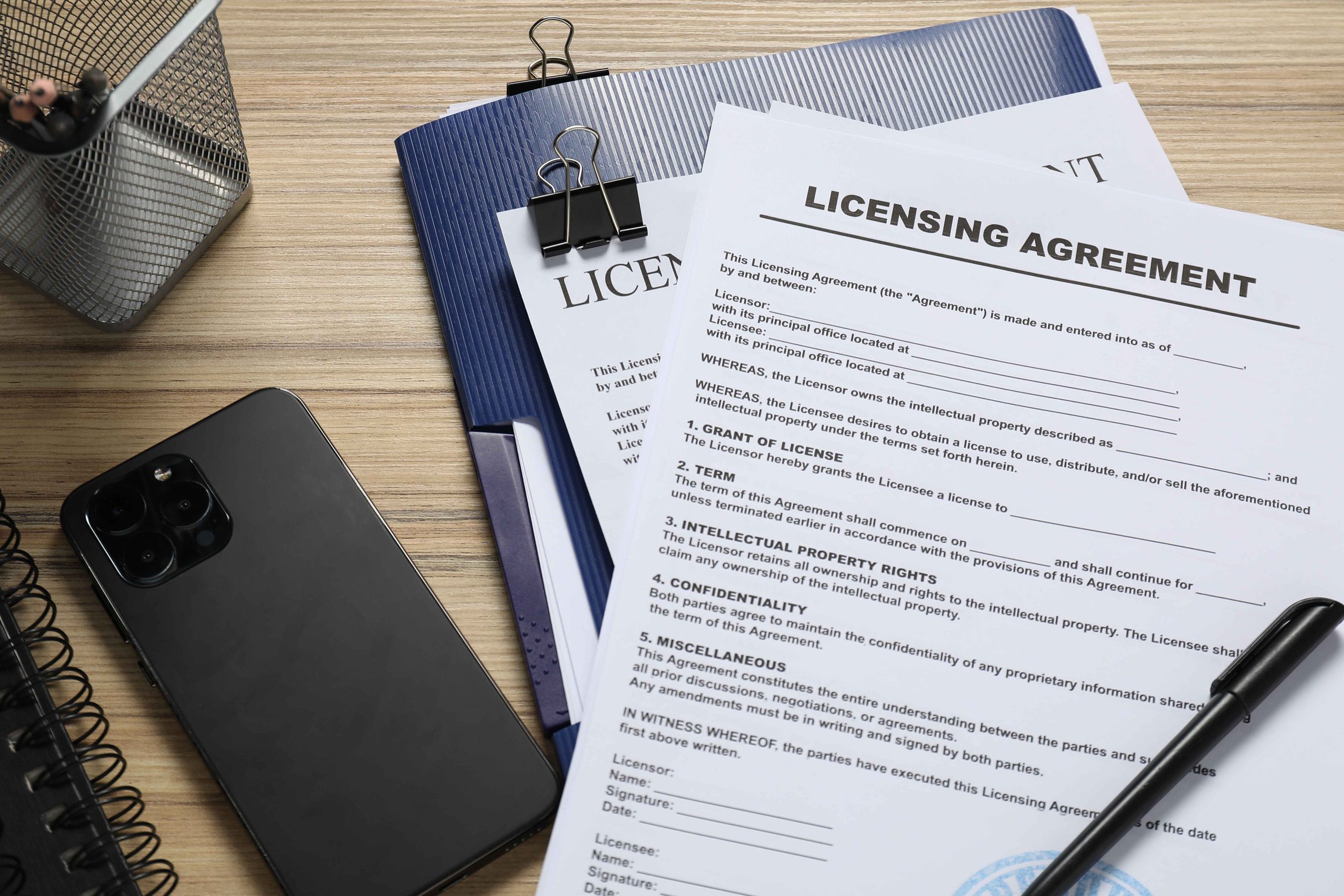

In healthcare, documentation is more than paperwork—it is legal protection. Clinics operate in a highly regulated environment where patient safety, employee conduct, and hiring decisions must all be clearly recorded. Proper documentation helps protect the clinic from lawsuits, audits, compliance violations, and employment disputes.
If it is not documented, legally, it is often considered as if it did not happen.
Why Documentation Is Critical for Clinics
Strong documentation helps clinics:
- Defend against legal claims
- Prove compliance with regulations
- Support hiring and HR decisions
- Maintain audit readiness
- Improve accountability and transparency
In healthcare, documentation is a first line of defense.
1. Hiring and Recruitment Records
Every hiring decision must be traceable.
Include:
- Job descriptions
- Candidate resumes and applications
- Interview notes and scoring sheets
- Background check results
- Reference check documentation
Why it matters:
Proves fair and compliant hiring practices.
2. Credential and License Verification Records
Clinics must confirm qualifications.
Maintain:
- Copies of licenses and certifications
- Verification confirmations
- Expiration and renewal tracking
- Credentialing approval records
Why it matters:
Prevents liability from unqualified staff.
3. Employment Contracts and Offer Letters
Legal employment terms must be clear.
Include:
- Signed job offers
- Employment agreements
- Salary and benefits documentation
- Job role descriptions
Why it matters:
Defines legal obligations of both employer and employee.
4. Onboarding and Training Documentation
Training compliance must be recorded.
Include:
- HIPAA training completion
- Safety and infection control training
- Employee handbook acknowledgment
- Role-specific training records
Why it matters:
Shows staff were properly trained and informed.
5. Patient Care Documentation
Clinical records are the most sensitive legal documents.
Include:
- Patient charts and medical records
- Treatment plans
- Medication administration logs
- Consent forms
Why it matters:
Essential for patient safety and legal defense.
6. Incident and Accident Reports
Any unusual event must be documented.
Examples:
- Patient falls or injuries
- Medication errors
- Workplace accidents
- Security incidents
Why it matters:
Protects clinic from liability and supports investigation.
7. Performance and Disciplinary Records
Employee performance must be tracked fairly.
Include:
- Performance evaluations
- Written warnings
- Improvement plans
- Attendance records
Why it matters:
Supports fair HR decisions and legal protection.
8. Compliance and Audit Records
Regulatory compliance must be documented.
Include:
- OSHA compliance records
- HIPAA compliance documentation
- Internal audit reports
- Policy acknowledgment forms
Why it matters:
Proves adherence to healthcare regulations.
9. Payroll and Employment Status Records
Financial and employment records are also critical.
Include:
- Payroll records
- Tax documentation
- Employment classification records
- Benefits enrollment forms
Why it matters:
Prevents wage disputes and legal issues.
10. Communication Records
Important communications should be documented.
Include:
- Email correspondence
- Internal memos
- Policy updates
- Staff announcements
Why it matters:
Provides clarity during disputes or investigations.
11. Consent and Authorization Forms
Patient consent must always be documented.
Examples:
- Treatment consent forms
- Procedure authorization
- Release of information forms
Why it matters:
Protects against patient-related legal claims.
12. Employee Exit Documentation
Offboarding must be recorded properly.
Include:
- Resignation or termination letters
- Exit interview notes
- Final settlement records
- Asset return confirmation
Why it matters:
Prevents post-employment disputes and data risks.
Common Documentation Mistakes
1. Missing or Incomplete Records
Creates legal vulnerabilities.
2. Poor Organization
Makes retrieval difficult during audits.
3. Not Updating Records Regularly
Leads to outdated or inaccurate information.
4. Lack of Standard Templates
Causes inconsistency across departments.
5. Weak Data Security
Risks exposure of sensitive information.
Best Practices for Clinics
1. Use Standardized Documentation Systems
Ensure consistency across all departments.
2. Digitize Records Securely
Use encrypted HR and EHR systems.
3. Conduct Regular Audits
Identify missing or outdated documentation.
4. Train Staff on Documentation Policies
Ensure everyone understands requirements.
5. Limit Access to Sensitive Data
Protect patient and employee privacy.
Legal Benefits of Proper Documentation
When clinics maintain strong documentation systems, they achieve:
1. Strong Legal Defense
Clear evidence in case of disputes or lawsuits.
2. Regulatory Compliance
Meets healthcare standards and audit requirements.
3. Reduced Liability Risk
Better protection against negligence claims.
4. Improved Accountability
Clear record of actions and decisions.
5. Operational Transparency
Better organizational control and oversight.
Conclusion
Proper documentation is one of the most powerful legal protection tools for clinics. From hiring and training to patient care and compliance, every action must be accurately recorded and securely stored.
Ultimately, strong documentation practices protect clinics legally, improve accountability, and ensure safe, compliant, and efficient healthcare operations.